
New and Noteworthy
-
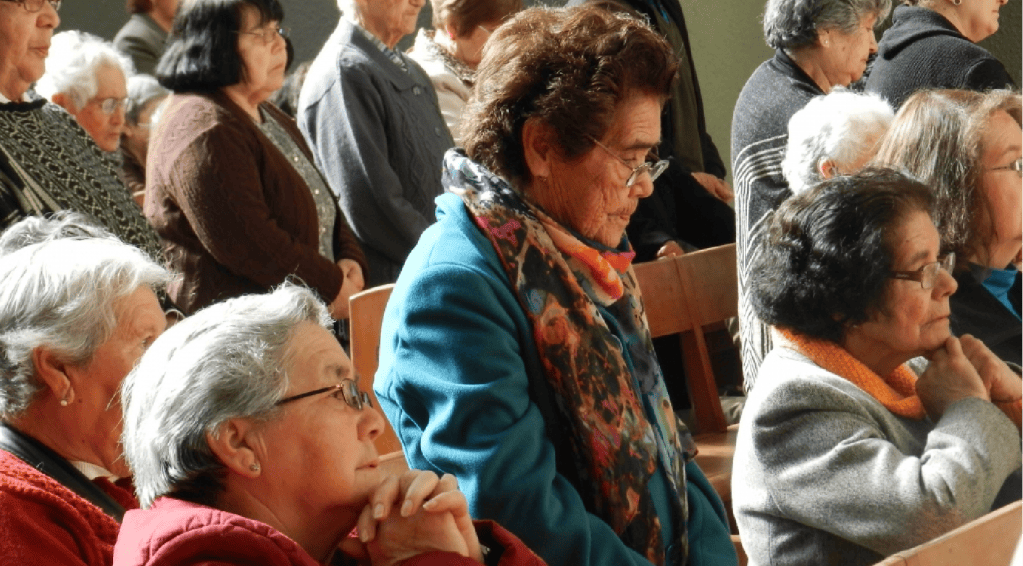
A Keynote by Renate Ysseldyk: Unravelling ageing: Taking a social identity approach to understanding religion and health across the life-course
Do religion and spirituality play a part in ageing well? Might religious identity help us cope with age-related stressors or illness? How do we – or how do most people – define healthy ageing? These questions give rise to many answers. Some have characterized ageing in purely biological terms as a disease itself, thereby launching…
-
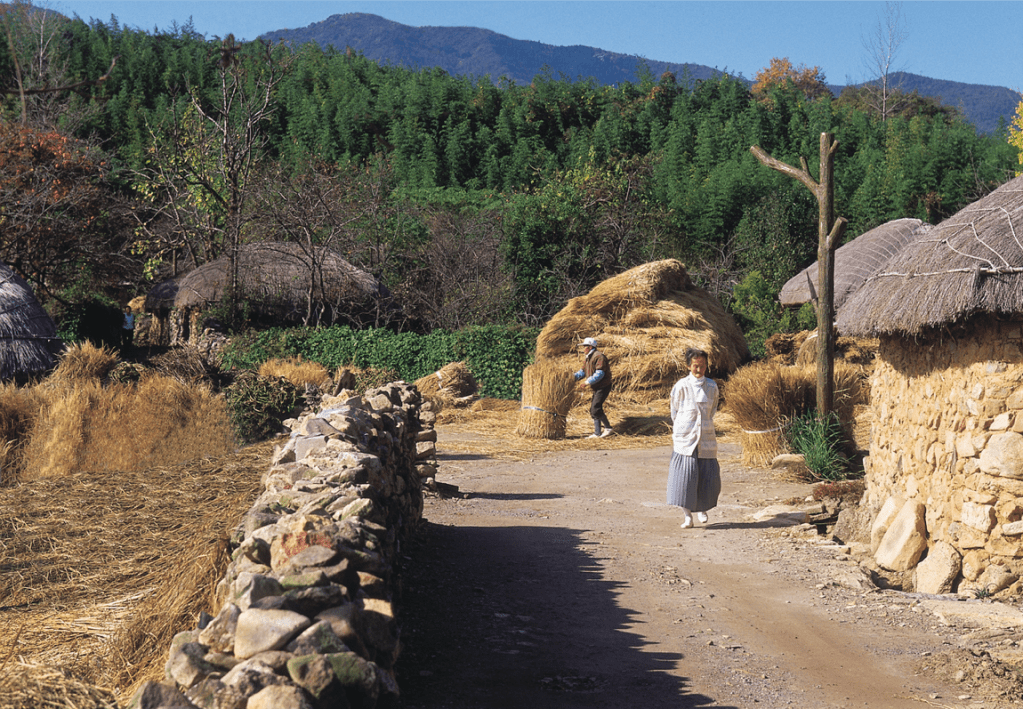
Chapter 15: The longevity divide in a globalised climate – a forward conclusion
This week, Chapter 15 from Tamara Daly addresses how global forces like climate change, economic globalization, and shifting political landscapes are shaping how people grow older, often deepening inequality and inequity. According to Tamara Daly “…a ‘longevity divide‘ marks those who will live longer, healthier and wealthier by cashing in their ‘longevity dividend’, from those…
-
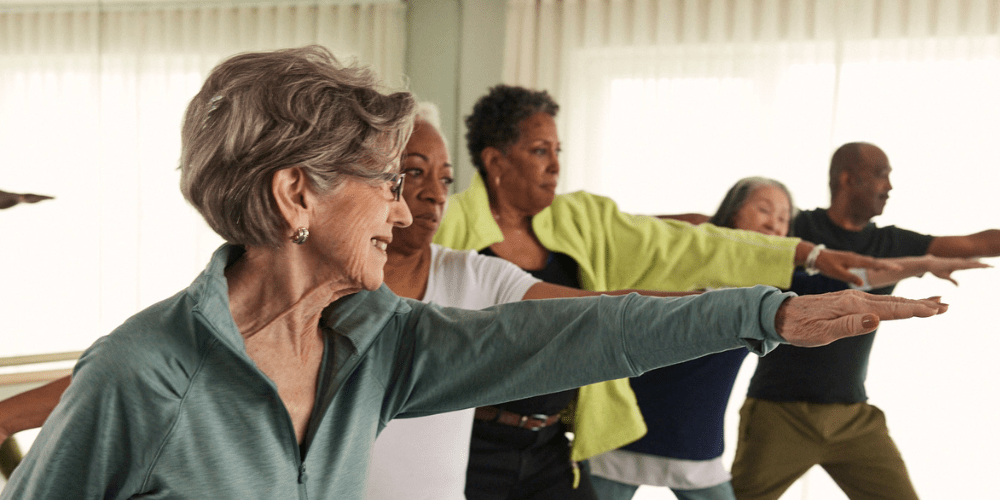
Chapter 14: Your days are numbered: active ageing, wearable technologies and surveillance capitalism
In this week’s chapter, the authors, Albert Banerjee, Jacqueline Choiniere, and Martha MacDonald challenge one of the most common ideas we hear about aging: that growing older successfully is simply a matter of making the right choices. The concept of “active aging” is often presented as an empowering alternative to outdated views of aging that focus on…
-
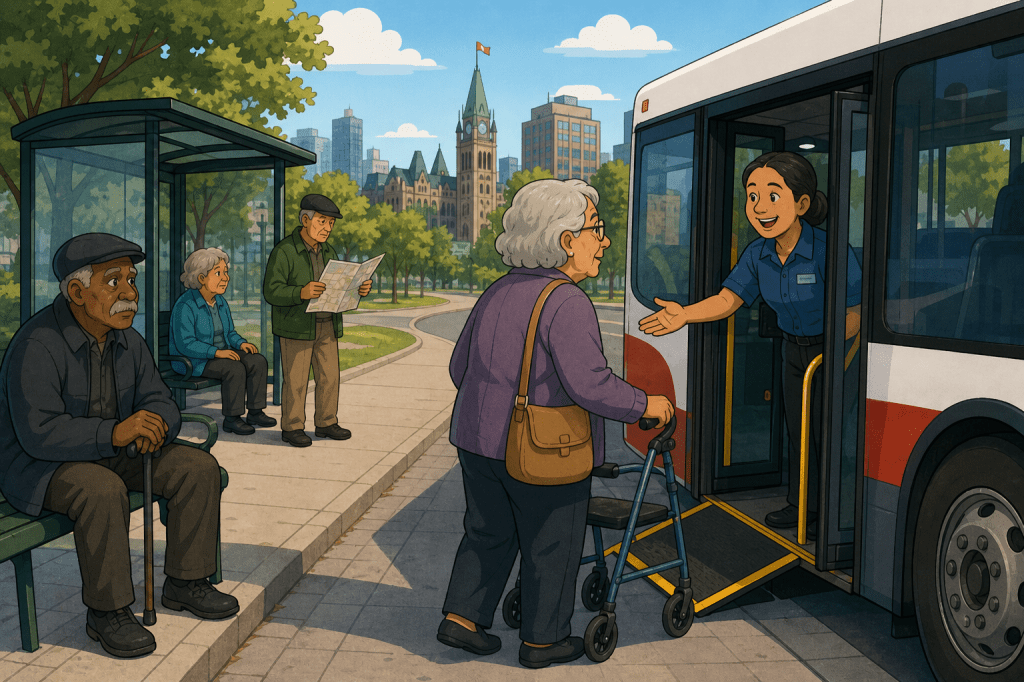
Chapter 13: Addressing social barriers to age-equitable public transportation: don’t miss the bus!
In this week’s chapter, our authors Madeline McCoy, Susan Braedley, and Renate Ysseldyk explore what barriers older adults experience when using urban public transportation and what it actually takes to make transit systems more age equitable. Drawing on ethnographic research conducted in Ottawa with older adults, bus operators, and transportation managers, the chapter looks beyond transportation as…
-
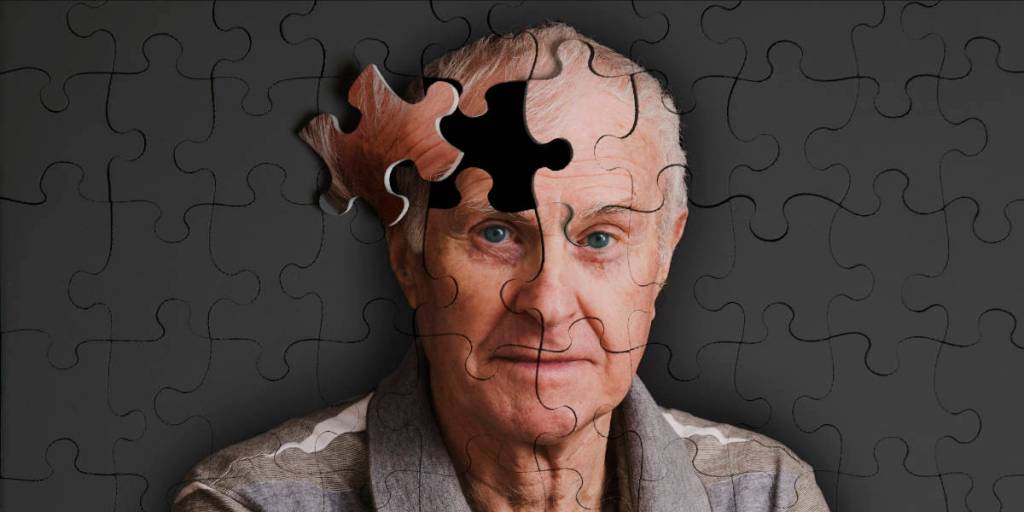
Chapter 12: The promise of dementia-friendly approaches: addressing stigma
In this week’s chapter, our authors Sienna Caspar and Kelsey Berg take a closer look at what it really means to build “dementia-friendly” communities and how those ideas fit within (or sometimes get lost inside) the broader push for age-friendly spaces. They start with an important question: are dementia-friendly initiatives actually adding something meaningful to age-friendly frameworks, or are…

