
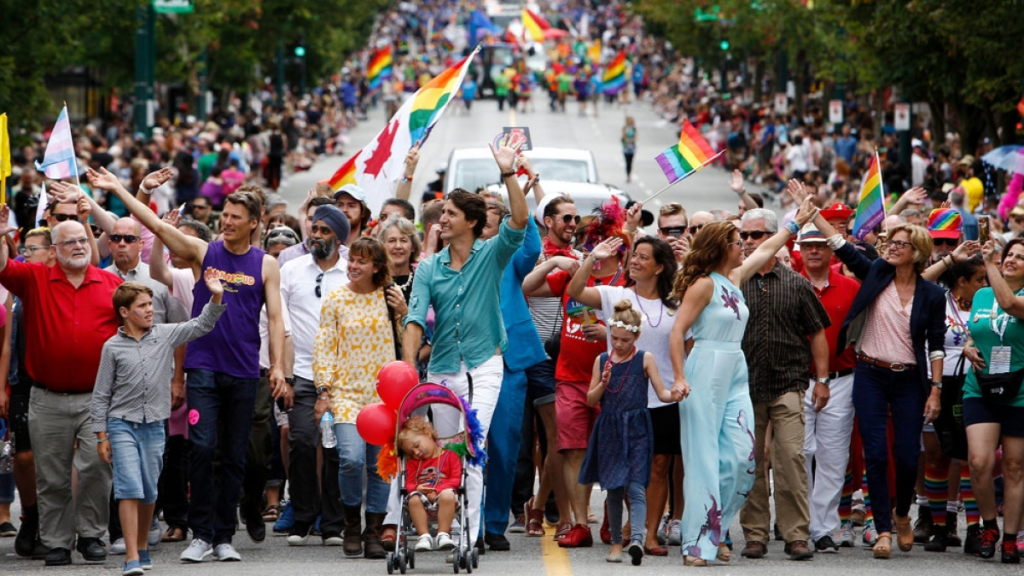
This week, in Chapter 7, Susan Braedley, Christine Streeter, and Oliver Debney draw on Canadian empirical evidence involving 2SLGBTQI older adults and 2SLGBTQI workers in services heavily used by older adults.
They begin by asking an important question: Do age-friendly and age-equity movements, policies, and practices promote conditions of respect and dignity for queer older adults? They examine the case of Canada, a country internationally recognized for its efforts to advance 2SLGBTQI rights, and explore how these policies and protections shape a more age-equitable environment for 2SLGBTQI older adults.
Next, they advance two main arguments. First, queering age-friendliness does not mean simply fitting sexuality and gender identity into existing frameworks and policy directions. Second, service workers and other care providers, both paid and unpaid, must be actively involved in developing age-friendly and age-equity principles, policies, and practices.
They conclude by outlining the challenges faced by these groups and presenting their findings on promising practices that “queer” age-friendliness making communities and services safer, more accessible, welcoming, and inclusive for 2SLGBTQI older adults and 2SLGBTQI workers, and more equitable for everyone.
To read the full chapter and the rest of our book find it here on the Bristol University Press Digital webpage


Leave a Reply